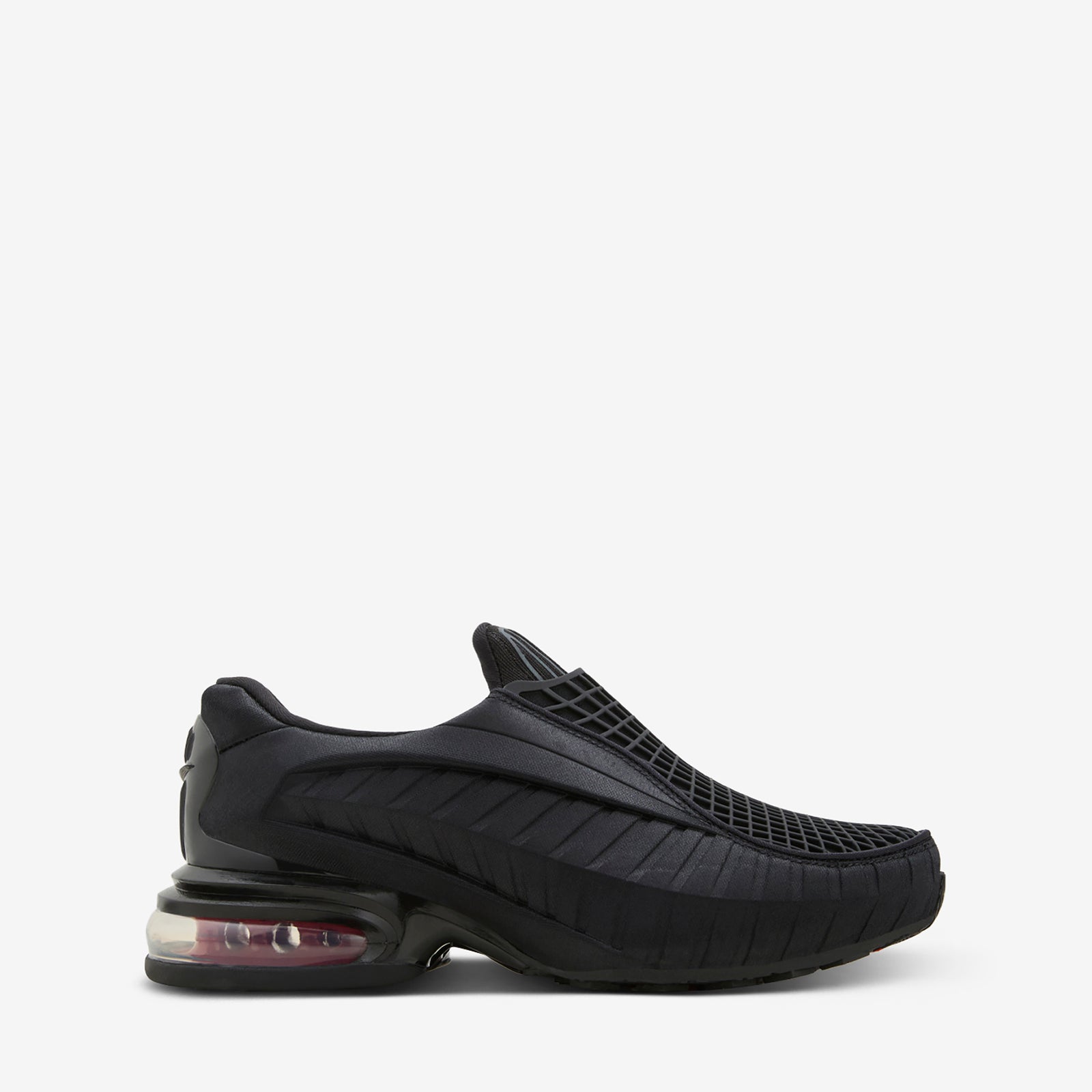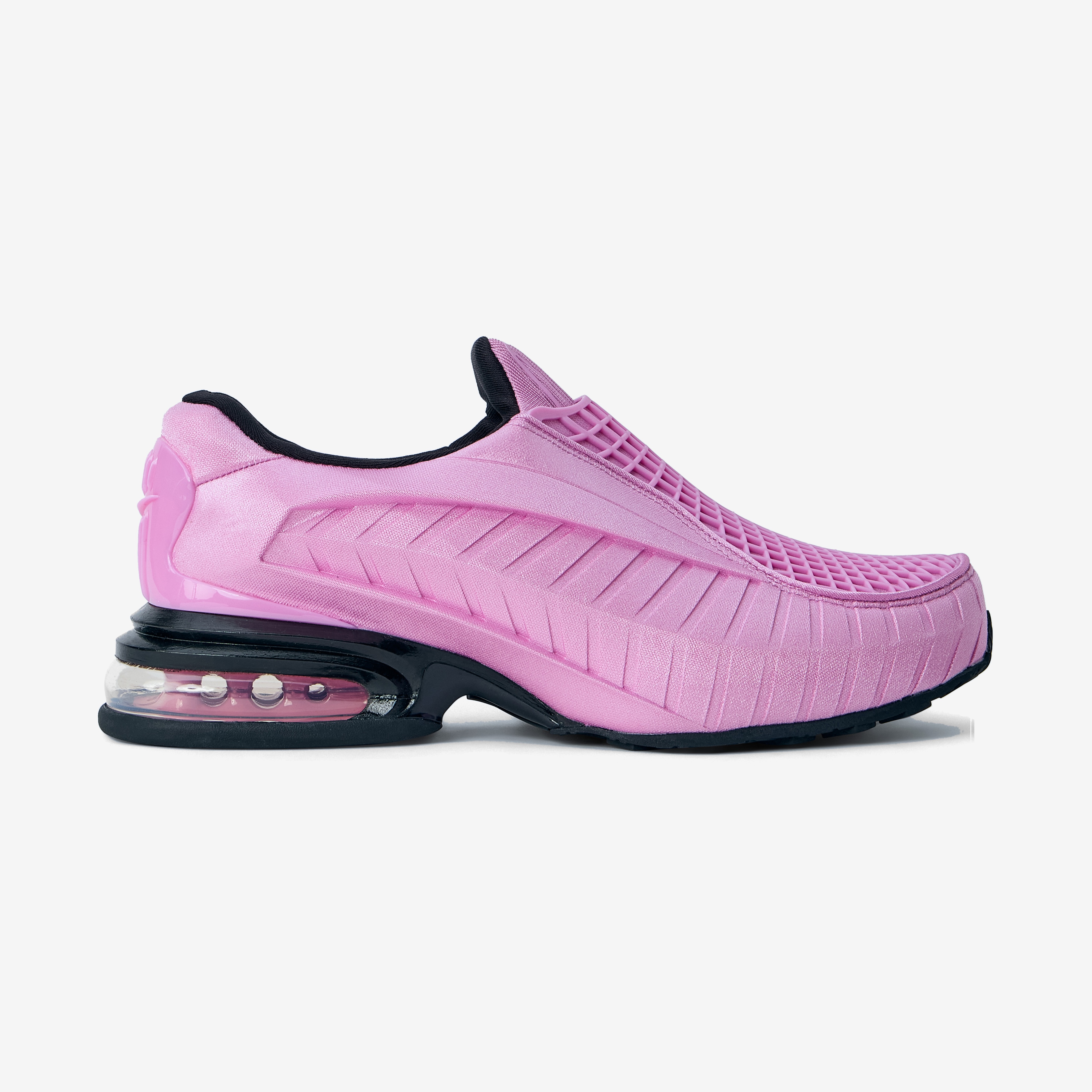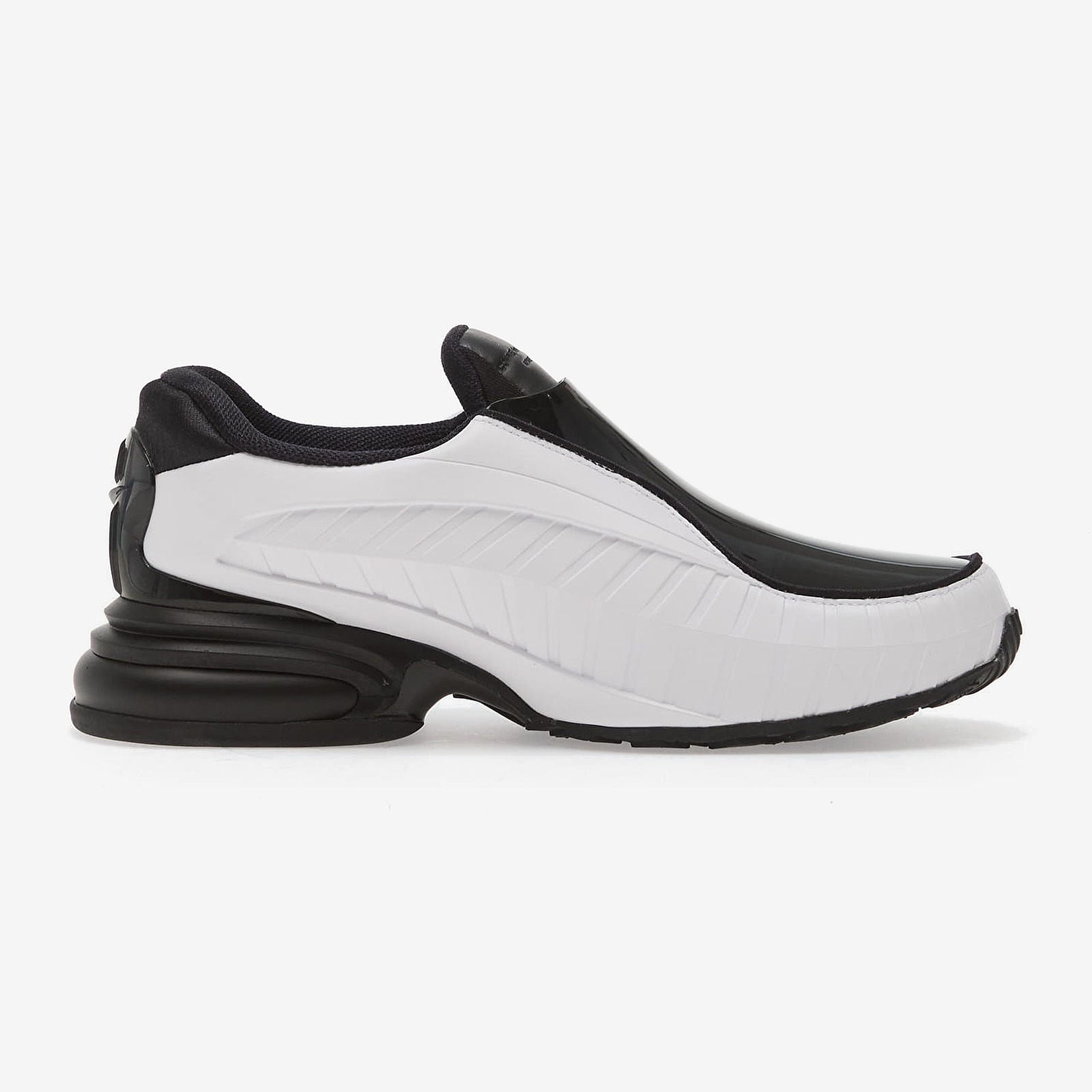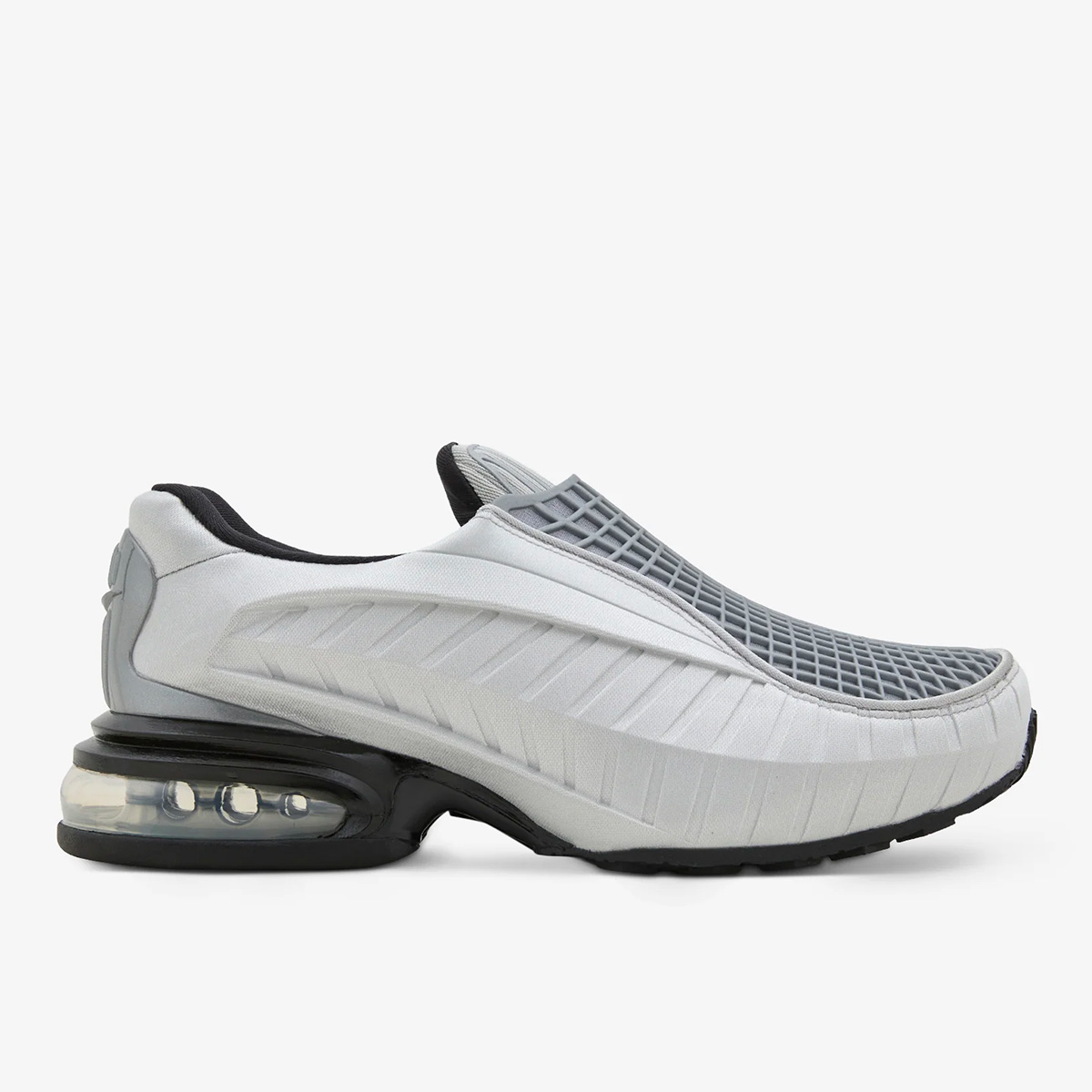
Does Nike's Future Lie in Its Past ?
With the return of Gyakusou and the repositioning of ACG, Nike is reinvesting in two of the most culturally significant lines in its history. But beyond the excitement surrounding their return lies a much broader commercial ambition, one that reflects the evolution of both the running and outdoor industries.
Running Against the Crowd
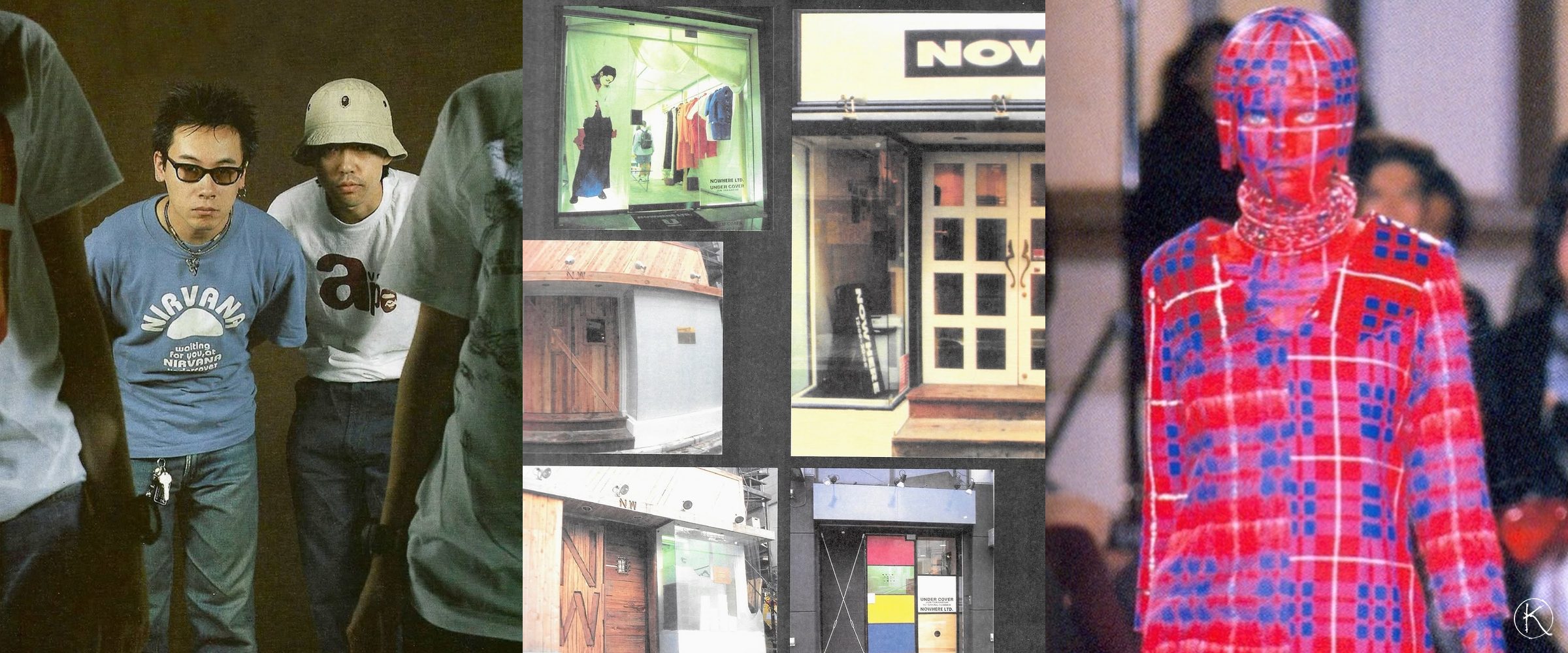
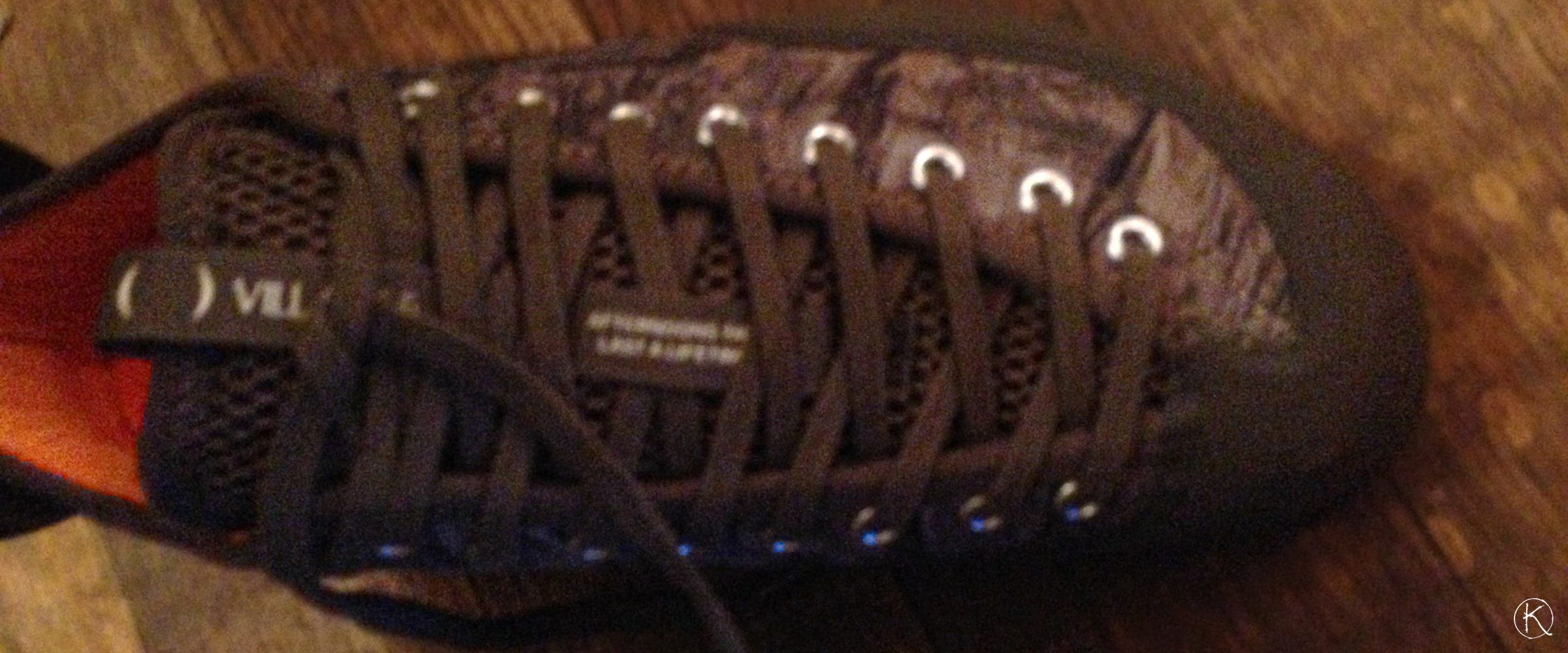
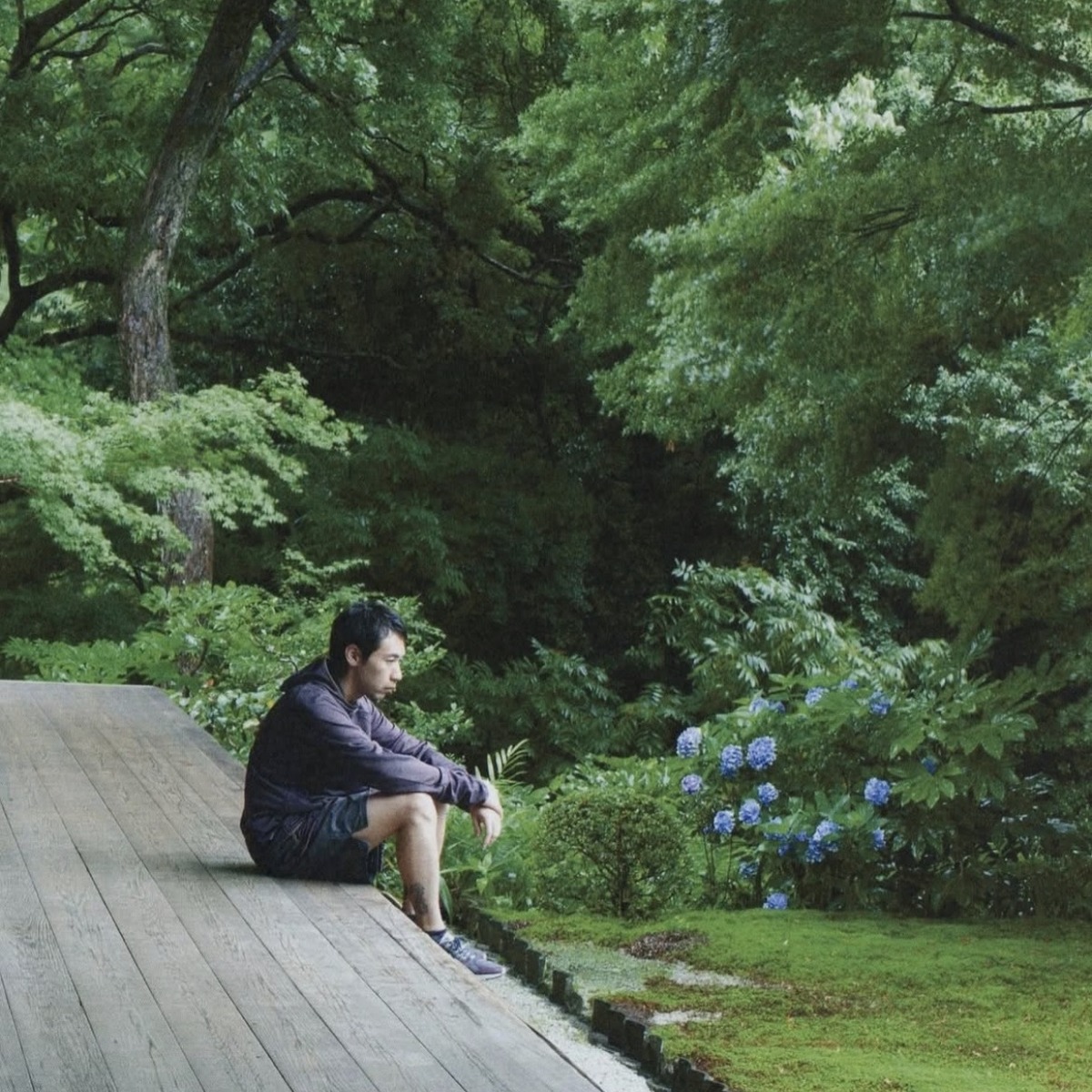
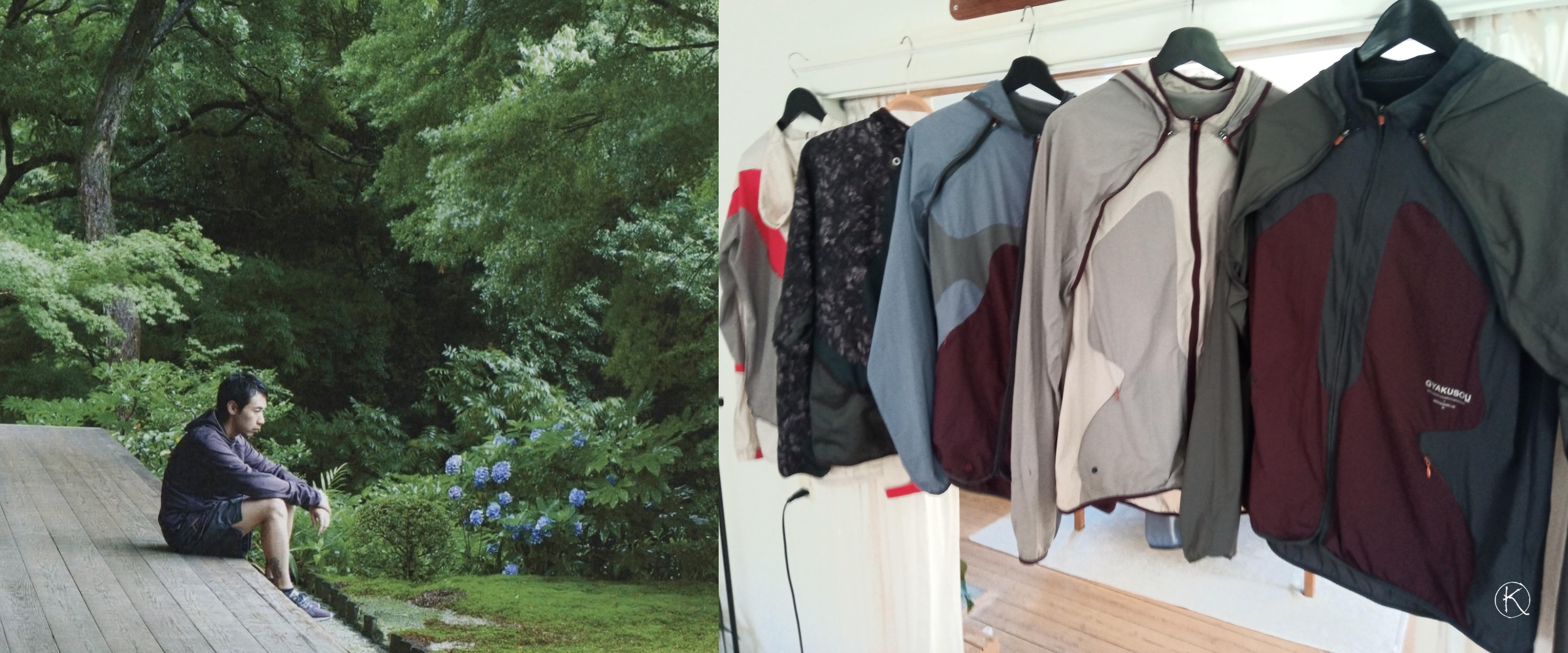
In 2010, Nike and UNDERCOVER founder Jun Takahashi introduced Gyakusou. The project originated from the GIRA (Gyakusou International Running Association), a small collective of Tokyo-based runners that included Takahashi himself. The name Gyakusou, which translates to “running against the flow,” refers to their habit of running in the opposite direction to other runners in Tokyo's Yoyogi Park.
“Nike knew that I was running and brought up the collaboration. As a runner, there weren’t many running clothes that I liked. I thought this would be a good opportunity to create running clothes I liked.”
— Jun Takahashi, in conversation with Highsnobiety.
Much like NIGO, Jun Takahashi is first and foremost a designer whose work has always been driven by a strong aesthetic sensibility. When given the opportunity to design running apparel for Nike, technical performance was naturally important, but design mattered just as much.
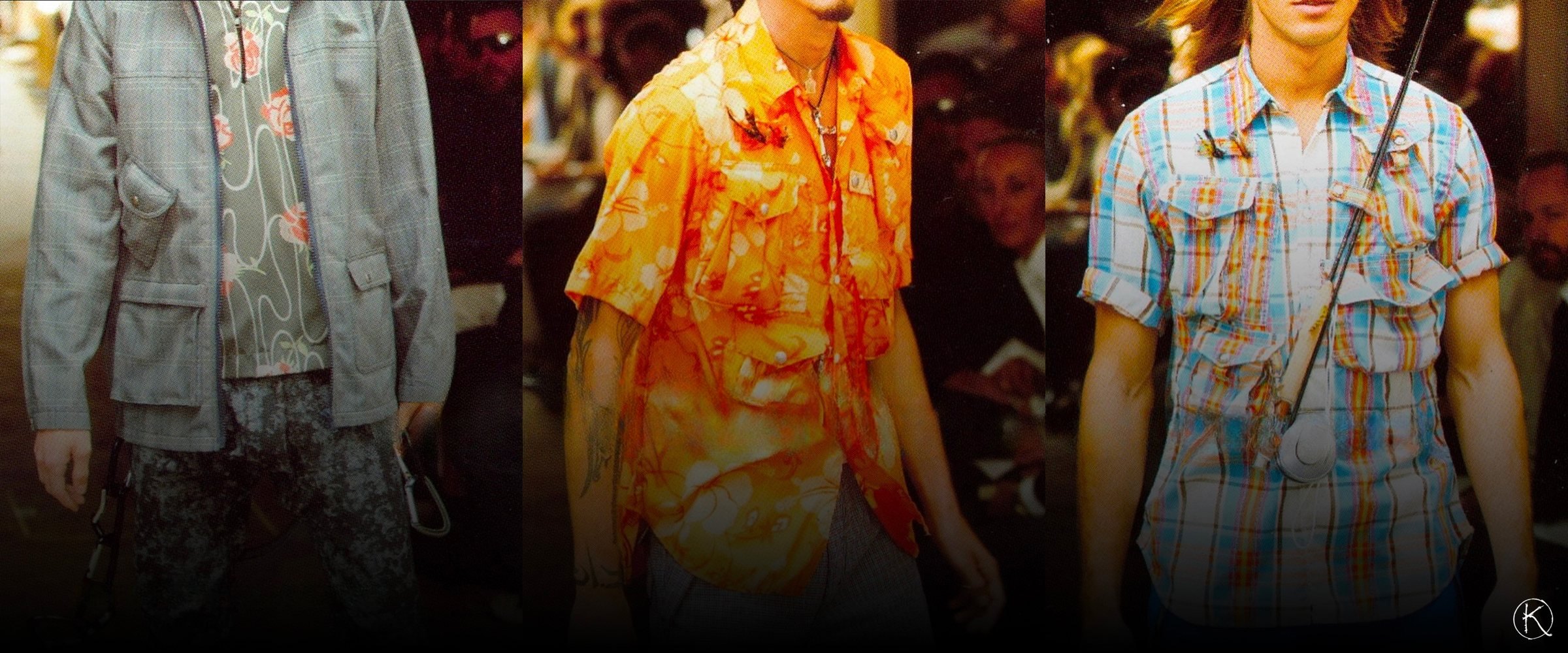
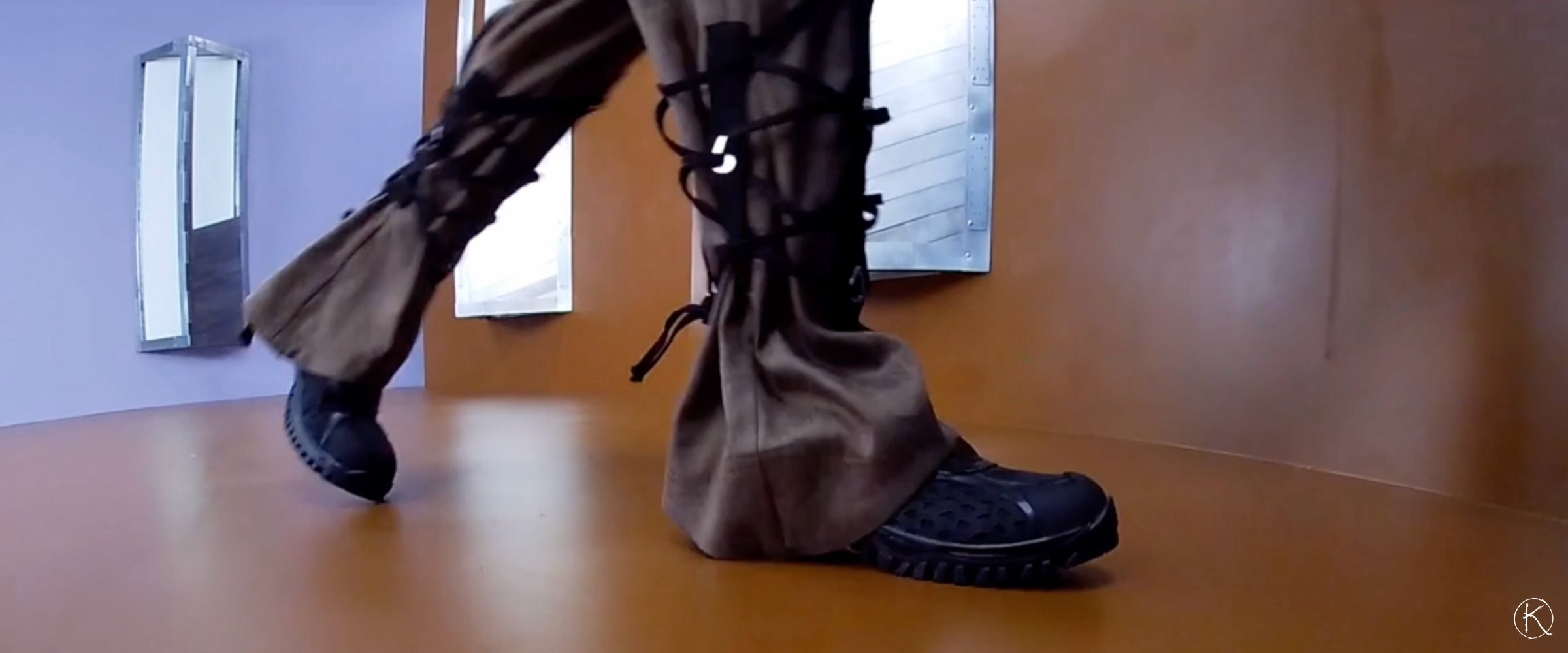
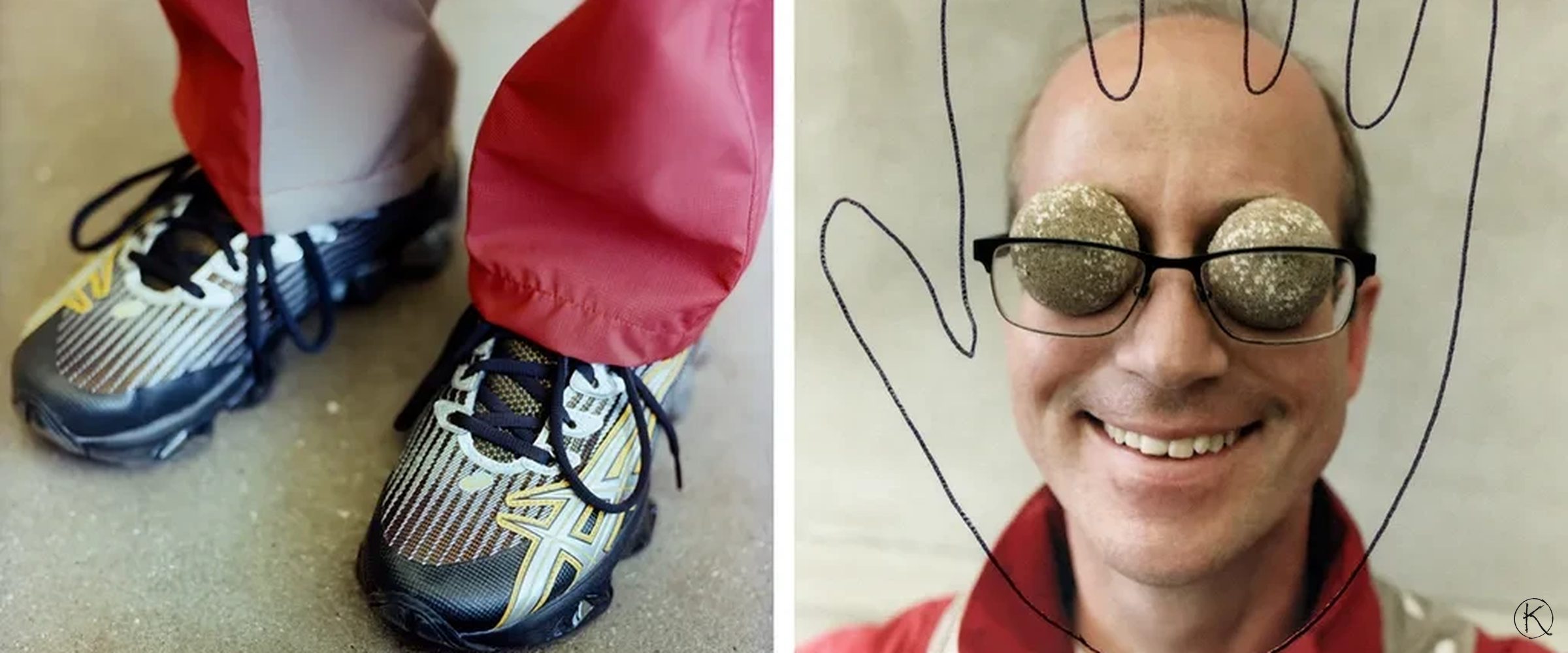
It was precisely this combination of Nike's technical expertise and Takahashi's creative vision that gave us some truly incredible pieces. Unexpected colour combinations, experimental constructions, material choices and the thoughtful integration of functional details all contributed to a remarkably distinctive visual language.
What is particularly fascinating is how relevant many of these pieces remain more than fifteen years later. Looking back at the early Gyakusou collections today, it is difficult not to see parallels with the work of many contemporary designers.
Long before running became the cultural phenomenon we know today, Gyakusou was already exploring its creative possibilities.
Returning to a Different Landscape
When Gyakusou was introduced in 2010, the running landscape looked very different.
Running with friends, paying particular attention to what you wear and approaching the sport as a form of personal expression were all things that came naturally to Takahashi. More than fifteen years later, they have become central to an entire industry.
Brands such as Satisfy, District Vision and Distance have contributed to this evolution, developing their own visual identities and building communities around the sport.
Running has become a meeting point between sport, fashion and culture. What Gyakusou explored at a time when this approach was still relatively unconventional is now at the centre of an increasingly competitive market.
It is within this context that Nike and Jun Takahashi have decided to bring Gyakusou back. And while the return of the collaboration is naturally exciting, the timing of its revival is perhaps just as interesting as the collection itself.
Gyakusou's return also coincides with NIGO's HUMAN MADE announcing its acquisition of UNDERCOVER. Whether the two developments are connected or not, the coincidence is worth noting from a business perspective.
ACG : Another Cult Label, Another Opportunity
It is difficult to discuss the return of Gyakusou without looking at what Nike has been doing with ACG over the past year.
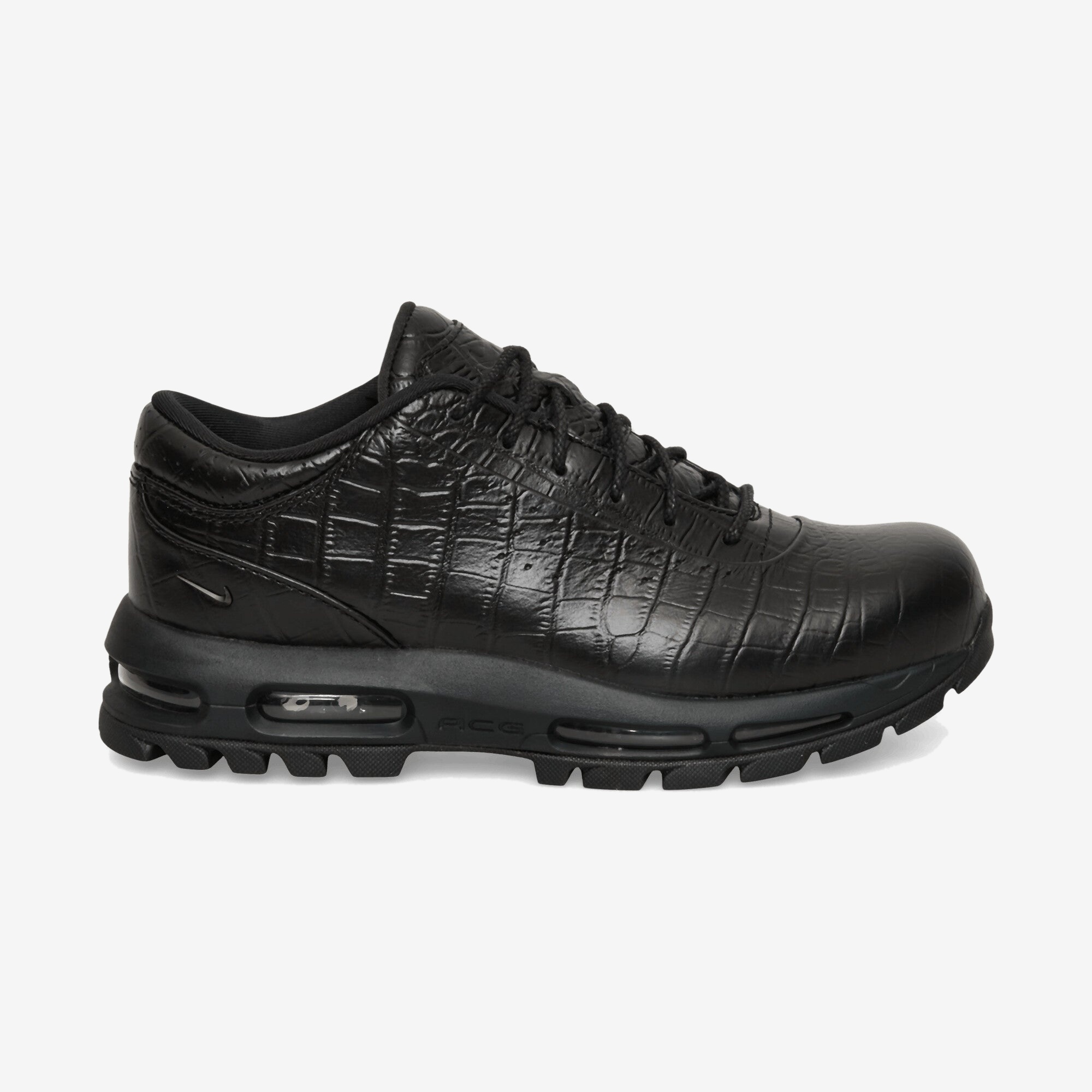
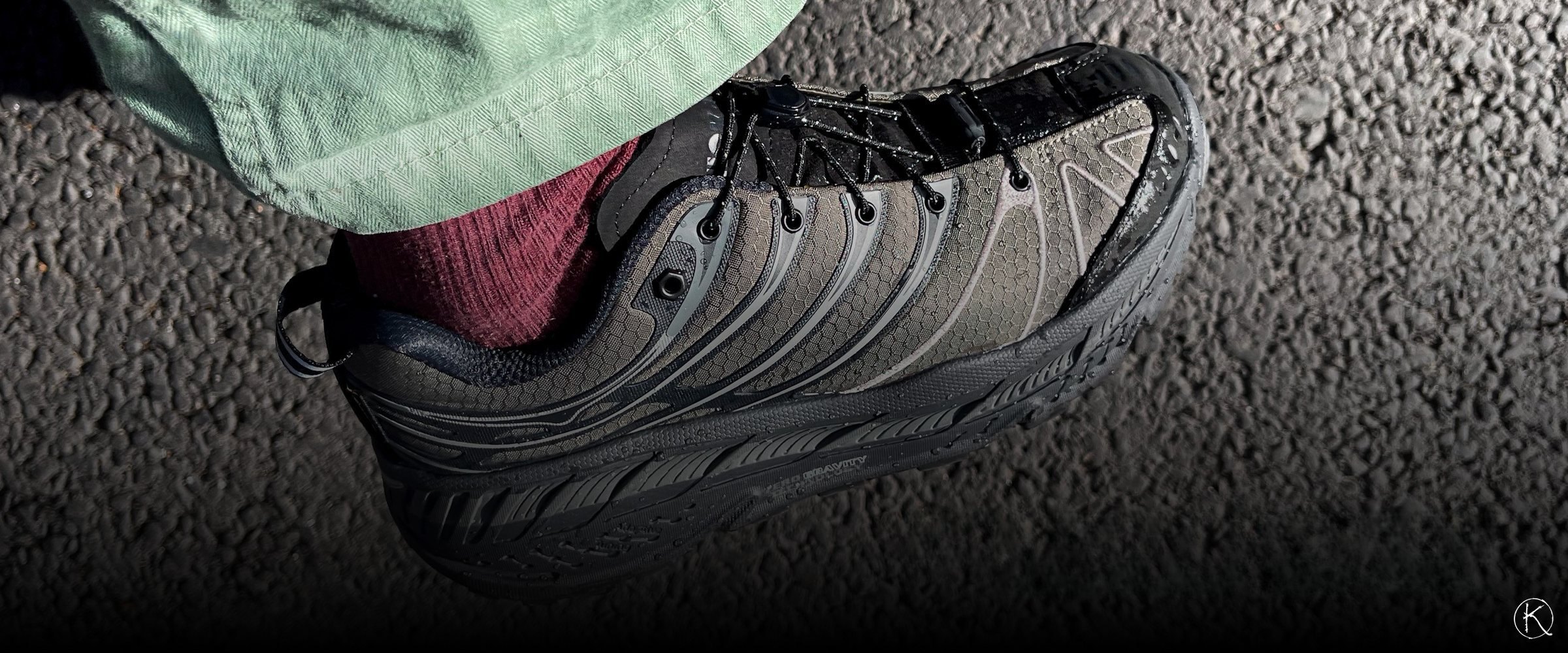
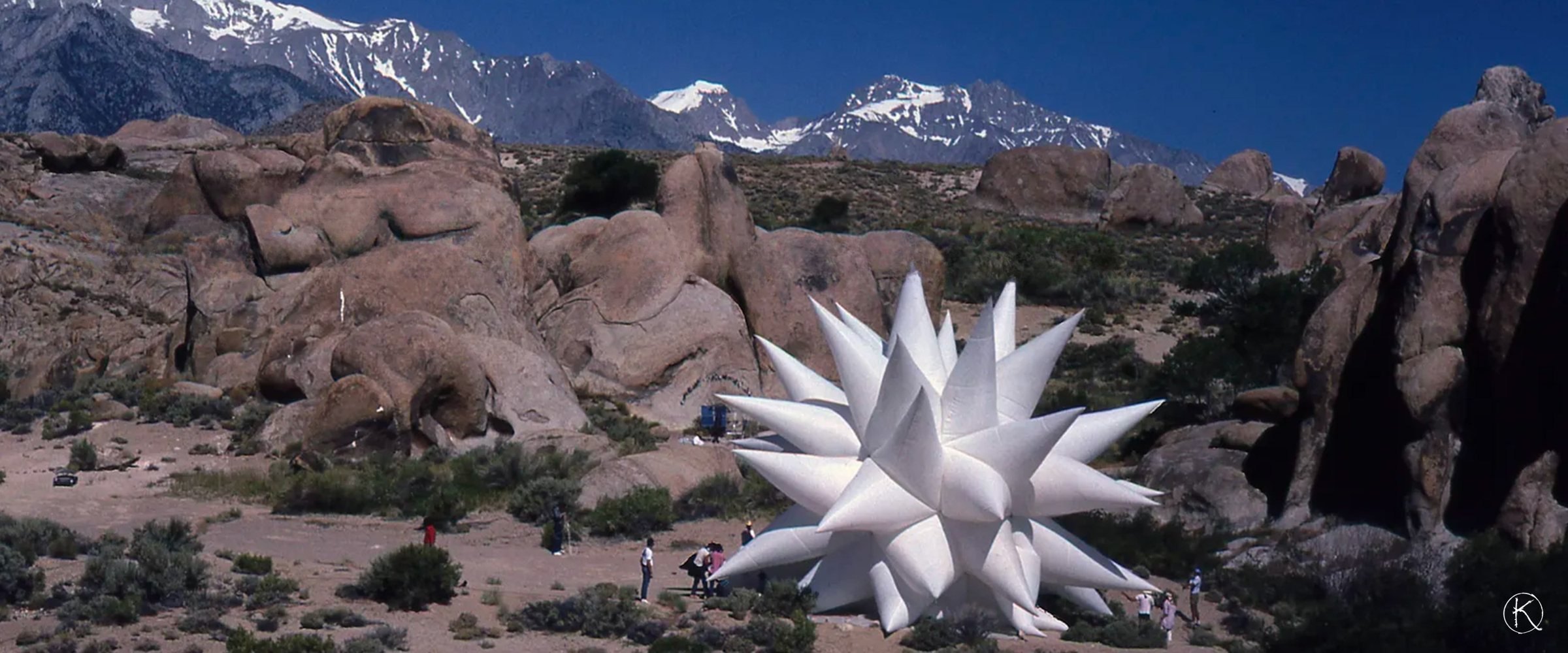
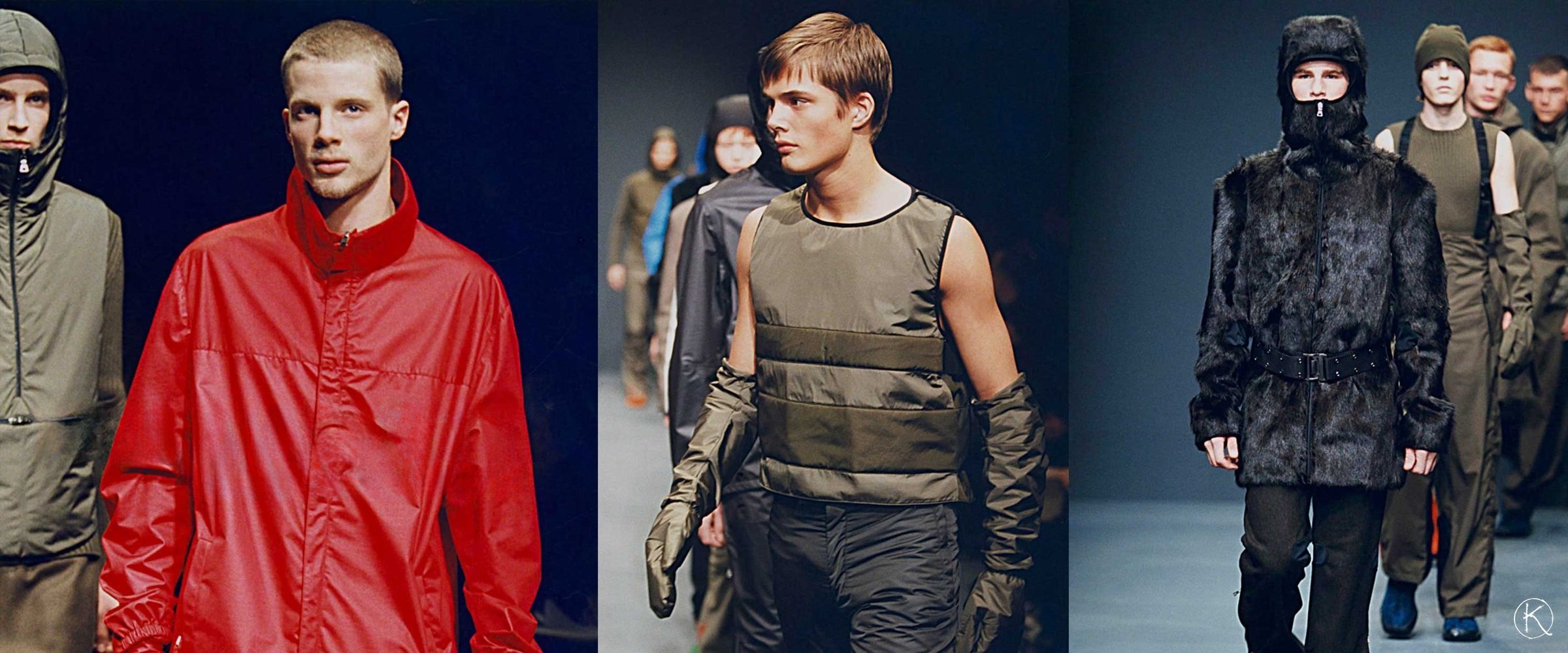
Officially introduced in 1989, All Conditions Gear has given us some of the most interesting creations in Nike's history. From footwear to apparel, ACG became a playground for experimentation, producing pieces whose appeal extended far beyond their original purpose.
Following a quieter period, ACG experienced a creative renaissance in 2014 under the direction of Errolson Hugh, co-founder of ACRONYM. Through NikeLab, Hugh brought his vision of technical apparel into an urban environment, creating collections that remain highly sought after today.
There is an interesting parallel between Hugh's work for ACG and Takahashi's work for Gyakusou. In both cases, Nike gave designers with strong aesthetic identities access to its technical resources, allowing them to explore new possibilities within functional apparel.
While ACG never entirely disappeared following Hugh's departure in 2018, it gradually seemed to lose its significance within Nike's broader strategy. Yet the interest in its archives never really faded, whether in the pieces from the 1990s, the early 2000s or the NikeLab era.
Today, Nike has considerably bigger ambitions for ACG.
On January 31, 2026, ACG launched its own Instagram account, marking the beginning of a much broader marketing strategy. Since then, Nike has been giving the line a remarkable level of visibility, from dedicated campaigns and sporting events to the opening of its first standalone store.
As part of this revival, ACG has released a series of humorous commercials reminiscent of Nike's advertising from the 1990s and early 2000s.
Everything about this marketing strategy suggests that Nike wants us to see this as the grand return of All Conditions Gear, rather than simply another seasonal collection.
However, despite the scale of Nike's marketing efforts and how enjoyable some of these campaigns have been, we get the impression that the products themselves have yet to generate the same level of excitement. For now, there seems to be a disconnect between the energy Nike is putting into this revival and the enthusiasm surrounding the actual collections.
The Billion-Dollar Outdoor Opportunity
The repositioning of ACG, officially announced in February 2026, represents a significant shift in scale. Nike now intends to establish ACG as a major player across three key territories: trail running, hiking and exploration.
During its Investor Day on November 17, 2026, Nike estimated the global outdoor market to be worth approximately $60 billion, with the company currently holding less than 1% of that market.
Nike expects ACG to generate more than $1 billion in incremental revenue over the FY2028–FY2031 period. Its distribution network is also expected to expand from approximately 3,000 retail doors in FY2027 to 8,000 by FY2031, an increase of nearly 167%.
These figures put the repositioning into perspective. This is not simply about bringing attention back to a line appreciated by Nike enthusiasts. It is about building a business capable of competing with established players in the outdoor industry.
The integration of Nike Trail into ACG, the development of a dedicated roster of athletes and its growing involvement in trail running competitions all reflect Nike's ambition to establish genuine credibility within outdoor performance.
During the same Investor Day, Nike CEO Elliott Hill went as far as stating:
“ACG is a sub-brand that we believe can be a brand over time.”
For Nike, ACG represents a commercial opportunity that extends well beyond its historical community.
Nike's Return to Sport
The return of Gyakusou and the repositioning of ACG become even more interesting when considered within Nike's broader business strategy.
Presented in November 2026 under the name Full Stride Ahead, Nike's new strategic roadmap identifies running and outdoor among its five priority sporting categories.
Running is already proving to be an important growth driver for the company. Nike Running has recorded nine consecutive quarters of growth, including six consecutive quarters of double-digit growth, generating approximately $1 billion in additional revenue since its recovery began.
Meanwhile, four of the company's biggest lifestyle footwear franchises — the Air Force 1, Air Jordan 1, Dunk and Converse Chuck Taylor — which collectively generated approximately $13 billion in revenue at their peak in 2024, are expected to account for just $6 billion by the end of FY2027.
Perhaps even more telling is how Nike intends to generate its future growth. Of the $5 billion in additional revenue the company expects to generate by FY2031, approximately $4 billion is expected to come from performance sport.
In other words, 80% of Nike's projected incremental revenue is tied to performance.
After several years of relying heavily on the popularity of a handful of lifestyle footwear franchises, Nike is looking to rebuild momentum through sport and technical innovation.
What makes this strategy particularly interesting is that Nike does not necessarily need to create new identities to establish itself within these markets. It already has two lines with considerable technical, aesthetic and cultural credibility within its own archives.
Who Are These Collections Really For ?
As longtime admirers of both ACG and Gyakusou, we are naturally excited to see Nike reinvesting in these two lines.
However, we are not entirely convinced that collectors and longtime enthusiasts will necessarily be the ones most drawn to their new direction.
Much of what makes these archival pieces so desirable is inseparable from the context in which they were created, the creative freedom their designers appeared to have and how unconventional their ideas were at the time.
Someone discovering ACG today through trail running, or Gyakusou through contemporary running culture, does not necessarily have the same relationship with these collections as someone who has spent years collecting their archival pieces.
And perhaps it is precisely this new audience that Nike is looking to reach.
Both ACG and Gyakusou benefit from a considerable cultural legacy, one that has been kept alive in part by communities of enthusiasts who continued to appreciate these collections even when they were no longer at the forefront of Nike's strategy.
Nike can now draw upon that legacy to reach a much wider audience at a time when both running and outdoor are experiencing significant cultural and commercial momentum.
There is nothing inherently negative about that. A new generation discovering these lines could be a very positive thing. But commercial success and cultural relevance do not necessarily go hand in hand.
It will be interesting to see whether these new collections generate the same enthusiasm among the people who are still searching for the original pieces fifteen or twenty years later.
Can Nike Run Against the Crowd Again ?
What has always fascinated us about Gyakusou and ACG is Nike's ability, at different points in its history, to create things we would not necessarily expect from a company of its size.
Today, Nike has the resources, the heritage and the market conditions to turn these two lines into significant commercial successes. The communities are already there, and the intersection of running, outdoor and fashion has arguably never been more visible.
But beyond sales figures and market share, what we are most curious about is whether Nike can recapture the creative freedom that made these collections so interesting in the first place.
In 2010, Gyakusou was born from the desire to run against the flow.
Sixteen years later, with an entire industry seemingly running in the same direction, can Gyakusou still run against it?